
International Conference on Cell & Stem Cell Research
Biobanking and Biomarkers
Biobanking is the collection of body fluid or tissue samples for research purposes in order to advance our understanding of health and diseases. A biobank is a form of biorepository that holds biological samples (mostly human) for research purposes. Biobanks have become a valuable resource in medical research, enabling several types of cutting-edge studies such as genomics and customised therapy. Researchers can use biobanks to gain access to data from a large number of people. Multiple researchers can commonly use samples in biobanks and the data obtained from those samples for cross-purpose research investigations.
A large subgroup of medical indicators – that is, objective signals of medical state viewed from outside the patient – that can be assessed correctly and reproducibly is referred to as a "biomarker," a portmanteau of "biological marker." Medical signals are distinct from medical symptoms, which are limited to the signs of health or illness that patients perceive. Biomarkers are useful for revealing connections between environmental exposures, human biology, and disease. Biomarkers can help scientists better understand basic biological processes, develop exposure science, and translate research findings into medicinal and public health applications.
- Human Genetics Research
- Imaging Biomarkers
- Diagnostic Biomarkers
- Molecular Biomarkers
- Predictive, Diagnostic and Prognostic Biomarkers
- Biomarkers for Clinical Safety Assessment
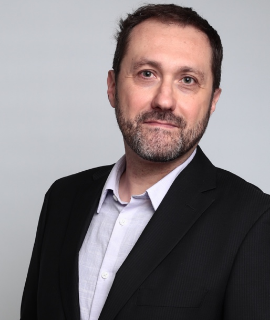
Roberto Gramignoli
Karolinska Institutet, Sweden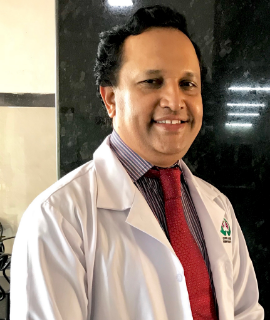
P K Prem Ravi Varma
Cancer Research Centre, India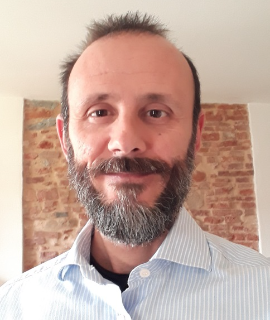
Federico Carpi
University of Florence, Italy
Pushpam Kumar Sinha
Independent Researcher, India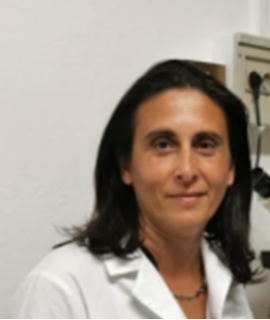
Alessandra Salvetti
University of Pisa, Italy
Ahmed G Hegazi
National Research Center, Egypt
Gulay Sezer
Erciyes University, Turkey

Title : Electroactive polymer-based smart scaffolds for tissue engineering and regenerative medicine
Federico Carpi, University of Florence, Italy
Title : Liver cell therapies: From hepatocyte transplant to placental stem cell infusion
Roberto Gramignoli, Karolinska Institutet, Sweden
Title : The common cure for all cancers- clue from cancer stem cells
Pushpam Kumar Sinha, Independent Researcher, India
Title : Stem cell therapy in radiotherapy from bench to clinical trial evaluating the efficacy of mesenchymal stromal cell injections for the treatment of chronic pelvic complications induced by radiation therapy
Alain chapel, Institute of Radiological Protection and Nuclear Safety, France
Title : Stem cell-induced proliferation on the hippocampus after intranasal administration of Galanin receptor 2 and neuropeptide Y1 receptor agonists: Role in spatial memory and depression-like effects in rats
Manuel Narvaez Pelaez, Malaga University, Spain
Title : Msc-exosomes in osteoarthritis treatment
Neus Figa Martin, Clínica Exolife, Spain