International Conference on Cell & Stem Cell Research
Tissue Engineering and Regenerative Medicine
Tissue engineering is now defined as an interdisciplinary field that combines engineering and life science ideas to the development of biological substitutes that restore, maintain, or improve tissue function or the function of an entire organ. Tissue engineering scaffolds are made to change the physical, chemical, and biological environment in which cells live. Tissue engineering/regenerative medicine strategies necessitate the interaction and integration of suitable physical and biological signals with tissue and cells. As a result, modifying variables such physiologically active proteins and DNA are essential for success.
Regenerative medicine is a broad term that refers to a variety of techniques that use cells or tissues as therapeutic tools to rebuild or repair damaged or diseased structures and restore function. Regenerative medicine has the ability to repair or replace tissues and organs that have been destroyed by age, disease, or trauma, as well as to correct congenital flaws. The area of regenerative medicine comprises a wide range of strategies, including the use of materials and de novo produced cells, as well as various combinations of these, to replace missing tissue, both architecturally and functionally, or to aid tissue recovery. Stem cell therapy to encourage tissue repair and regeneration at the site of injury, as well as the transplantation of tissues or organs grown or manufactured outside the body, are examples of regenerative medicine treatments.
- Regenerative Therapy
- Clinical Translation
- Industrial Development
- Clinical and Translational Insights
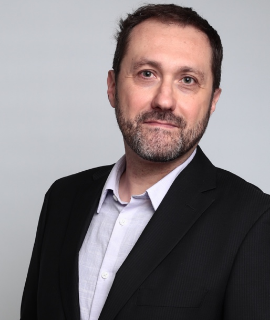
Roberto Gramignoli
Karolinska Institutet, Sweden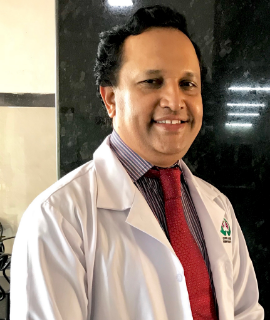
P K Prem Ravi Varma
Cancer Research Centre, India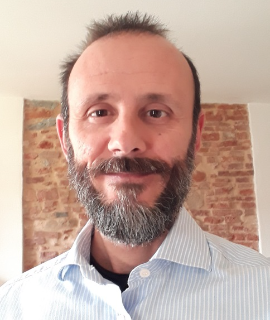
Federico Carpi
University of Florence, Italy
Pushpam Kumar Sinha
Independent Researcher, India
Alessandra Salvetti
University of Pisa, Italy
Ahmed G Hegazi
National Research Center, Egypt
Gulay Sezer
Erciyes University, Turkey

Title : Electroactive polymer-based smart scaffolds for tissue engineering and regenerative medicine
Federico Carpi, University of Florence, Italy
Title : Liver cell therapies: From hepatocyte transplant to placental stem cell infusion
Roberto Gramignoli, Karolinska Institutet, Sweden
Title : The common cure for all cancers- clue from cancer stem cells
Pushpam Kumar Sinha, Independent Researcher, India
Title : Stem cell therapy in radiotherapy from bench to clinical trial evaluating the efficacy of mesenchymal stromal cell injections for the treatment of chronic pelvic complications induced by radiation therapy
Alain chapel, Institute of Radiological Protection and Nuclear Safety, France
Title : Stem cell-induced proliferation on the hippocampus after intranasal administration of Galanin receptor 2 and neuropeptide Y1 receptor agonists: Role in spatial memory and depression-like effects in rats
Manuel Narvaez Pelaez, Malaga University, Spain
Title : Msc-exosomes in osteoarthritis treatment
Neus Figa Martin, Clínica Exolife, Spain