International Conference on Cell & Stem Cell Research
Autophagy and Apoptosis
Autophagy and apoptosis are key biochemical mechanisms that keep organismal and cellular homeostasis in check. Supernumerary, damaged, or old cells and organelles are destroyed through apoptosis and autophagy, two self-destructive processes. Autophagy is the cell's natural, conserved breakdown process, which removes unwanted or dysfunctional components via a lysosome-dependent, controlled mechanism. It enables the breakdown and recycling of cellular components in a controlled manner. Autophagy preserves cellular homeostasis by recycling selected intracellular organelles and chemicals, whereas apoptosis fulfils its job by destroying damaged or undesired cells. Autophagy, on the other hand, can cause cell death under specific circumstances. The same stressors can trigger apoptosis and autophagy. The process of programmed cell death is known as apoptosis. It is employed to destroy undesirable cells during early development, such as those between the fingers of a developing hand. Apoptosis is a process that allows the body to rid itself of cells that have been damaged beyond repair in adults. Apoptosis can also help to prevent cancer.
- Apoptosis
- Autophagy and its Forms
- Necroptosis
- Ferroptosis
- Cellular and Molecular Mechanism of Autophagy and Apoptosis
- Link between Autophagy and Apoptosis
- Cancer and Apoptosis
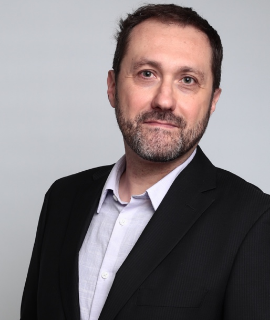
Roberto Gramignoli
Karolinska Institutet, Sweden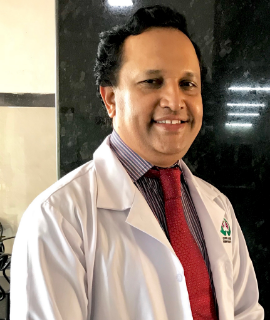
P K Prem Ravi Varma
Cancer Research Centre, India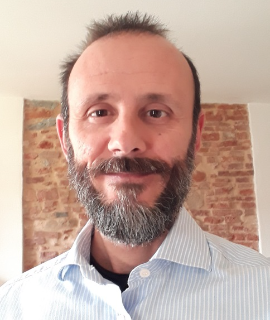
Federico Carpi
University of Florence, Italy
Pushpam Kumar Sinha
Independent Researcher, India
Alessandra Salvetti
University of Pisa, Italy
Ahmed G Hegazi
National Research Center, Egypt
Gulay Sezer
Erciyes University, Turkey

Title : Electroactive polymer-based smart scaffolds for tissue engineering and regenerative medicine
Federico Carpi, University of Florence, Italy
Title : Liver cell therapies: From hepatocyte transplant to placental stem cell infusion
Roberto Gramignoli, Karolinska Institutet, Sweden
Title : The common cure for all cancers- clue from cancer stem cells
Pushpam Kumar Sinha, Independent Researcher, India
Title : Stem cell therapy in radiotherapy from bench to clinical trial evaluating the efficacy of mesenchymal stromal cell injections for the treatment of chronic pelvic complications induced by radiation therapy
Alain chapel, Institute of Radiological Protection and Nuclear Safety, France
Title : Stem cell-induced proliferation on the hippocampus after intranasal administration of Galanin receptor 2 and neuropeptide Y1 receptor agonists: Role in spatial memory and depression-like effects in rats
Manuel Narvaez Pelaez, Malaga University, Spain
Title : Msc-exosomes in osteoarthritis treatment
Neus Figa Martin, Clínica Exolife, Spain