
International Conference on Cell & Stem Cell Research
Cellular Reprogramming and Stem Cell Biology
Cellular Reprogramming and Stem Cell Biology
The process of converting mature, specialised cells into induced pluripotent stem cells is known as cell reprogramming. During mammalian germ cell development, reprogramming also refers to the erasure and re-establishment of epigenetic markers. The use of cellular reprogramming technologies to replace cells lost due to diseases or accidents holds a lot of promise for tissue repair and regeneration. Advances in cellular reprogramming, in addition to the ground breaking discovery of induced pluripotent stem cells, allow for direct lineage conversion of one somatic cell type to another utilising specific transcription factors.
- Advanced Experimental Design
- Methods and Analysis in Stem Cell Biology
- Gene Editing and Cell-Based Therapies
Committee Members
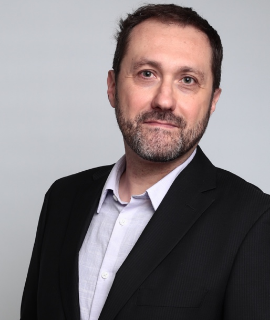
Roberto Gramignoli
Karolinska Institutet, Sweden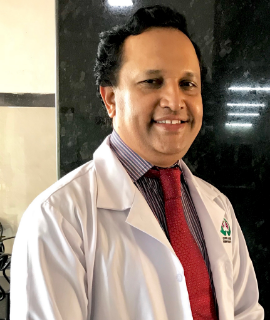
P K Prem Ravi Varma
Cancer Research Centre, India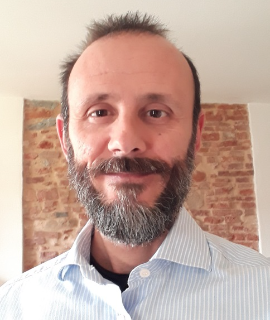
Federico Carpi
University of Florence, Italy Stem Cells 2022 Speakers
Pushpam Kumar Sinha
Independent Researcher, India
Alessandra Salvetti
University of Pisa, Italy
Ahmed G Hegazi
National Research Center, Egypt
Gulay Sezer
Erciyes University, Turkey

Title : Electroactive polymer-based smart scaffolds for tissue engineering and regenerative medicine
Federico Carpi, University of Florence, Italy
Title : Liver cell therapies: From hepatocyte transplant to placental stem cell infusion
Roberto Gramignoli, Karolinska Institutet, Sweden
Title : The common cure for all cancers- clue from cancer stem cells
Pushpam Kumar Sinha, Independent Researcher, India
Title : Stem cell therapy in radiotherapy from bench to clinical trial evaluating the efficacy of mesenchymal stromal cell injections for the treatment of chronic pelvic complications induced by radiation therapy
Alain chapel, Institute of Radiological Protection and Nuclear Safety, France
Title : Stem cell-induced proliferation on the hippocampus after intranasal administration of Galanin receptor 2 and neuropeptide Y1 receptor agonists: Role in spatial memory and depression-like effects in rats
Manuel Narvaez Pelaez, Malaga University, Spain
Title : Msc-exosomes in osteoarthritis treatment
Neus Figa Martin, Clínica Exolife, Spain