International Conference on Cell & Stem Cell Research
AI in Cellular Biology
Artificial intelligence (AI) refers to intelligence demonstrated by machines rather than natural intelligence expressed by humans or animals. Human intelligence "can be so clearly described that a machine can be constructed to imitate it," according to the field's founders. Artificial intelligence's integration into cell biology has recently garnered a lot of attention. Artificial intelligence has also been employed by researchers to gain a more objective understanding of cell development and division without making any assumptions. They were able to better correctly mimic the complicated mechanisms that determine cell size over time by using a deep-learning neural network. This research could lead to advancements in microbiology and industrial microbe production. Machine learning is used in a variety of applications. Search engines, social media, and even online banking use them. However, one field where this technology is still in its infancy is medicine.
- Deep Learning
- Machine Learning
- Big Data Analytics
- Stem Cells and AI
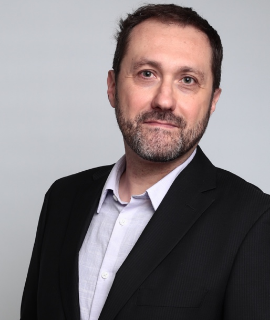
Roberto Gramignoli
Karolinska Institutet, Sweden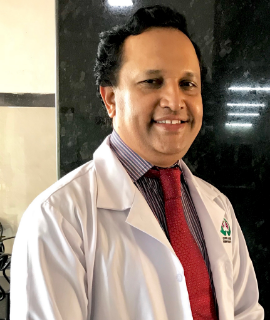
P K Prem Ravi Varma
Cancer Research Centre, India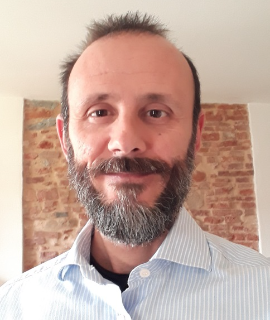
Federico Carpi
University of Florence, Italy
Pushpam Kumar Sinha
Independent Researcher, India
Alessandra Salvetti
University of Pisa, Italy
Ahmed G Hegazi
National Research Center, Egypt
Gulay Sezer
Erciyes University, Turkey

Title : Electroactive polymer-based smart scaffolds for tissue engineering and regenerative medicine
Federico Carpi, University of Florence, Italy
Title : Liver cell therapies: From hepatocyte transplant to placental stem cell infusion
Roberto Gramignoli, Karolinska Institutet, Sweden
Title : The common cure for all cancers- clue from cancer stem cells
Pushpam Kumar Sinha, Independent Researcher, India
Title : Stem cell therapy in radiotherapy from bench to clinical trial evaluating the efficacy of mesenchymal stromal cell injections for the treatment of chronic pelvic complications induced by radiation therapy
Alain chapel, Institute of Radiological Protection and Nuclear Safety, France
Title : Stem cell-induced proliferation on the hippocampus after intranasal administration of Galanin receptor 2 and neuropeptide Y1 receptor agonists: Role in spatial memory and depression-like effects in rats
Manuel Narvaez Pelaez, Malaga University, Spain
Title : Msc-exosomes in osteoarthritis treatment
Neus Figa Martin, Clínica Exolife, Spain